Advertorial
She Had Narrowed It Down To Two Baby Names. What She Found Changed the Decision.
What seemed like a simple choice felt very different once she found what a name can carry though history, meaning, and first impressions.
Written by Claire Morgan
Date: August 21st, 2026

She had already narrowed the list down to two baby names.
Both felt right for different reasons. One sounded beautiful right away. The other seemed to carry something she could not quite explain, so she decided to look deeper before making the final choice.
What she found made the decision feel very different.
What She Found Went Far Beyond Whether She Simply Liked the Sound of a Name
At first, she thought she was simply choosing between names she liked.
But once she started looking deeper, the choice began to feel less random. She found that a name can carry a history, evoke certain qualities, and shape the way people experience it long before they know the person behind it.
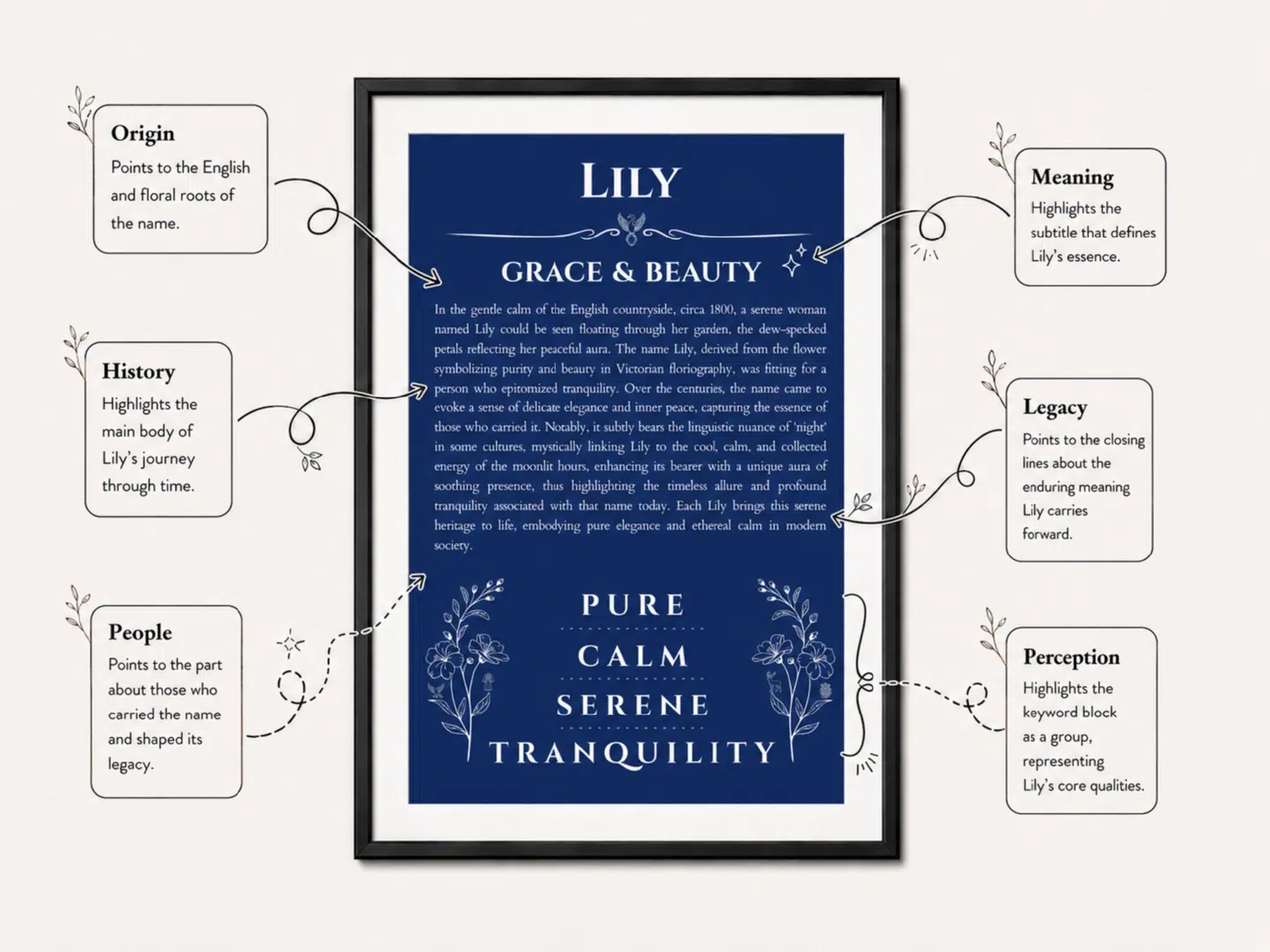
How a Name’s Story Can Be Part of the Choice
She was no longer only thinking about which name sounded best. She was thinking about what each name had carried over time, what kind of feeling it gave off, and what it might quietly communicate the moment someone hears it.
For many parents, choosing a name starts with style, sound, or family meaning.
But once she started looking into the names more closely, she realized there was another layer to consider. A name can hold more than preference. It can carry associations, patterns, and impressions that make the decision feel much more personal.
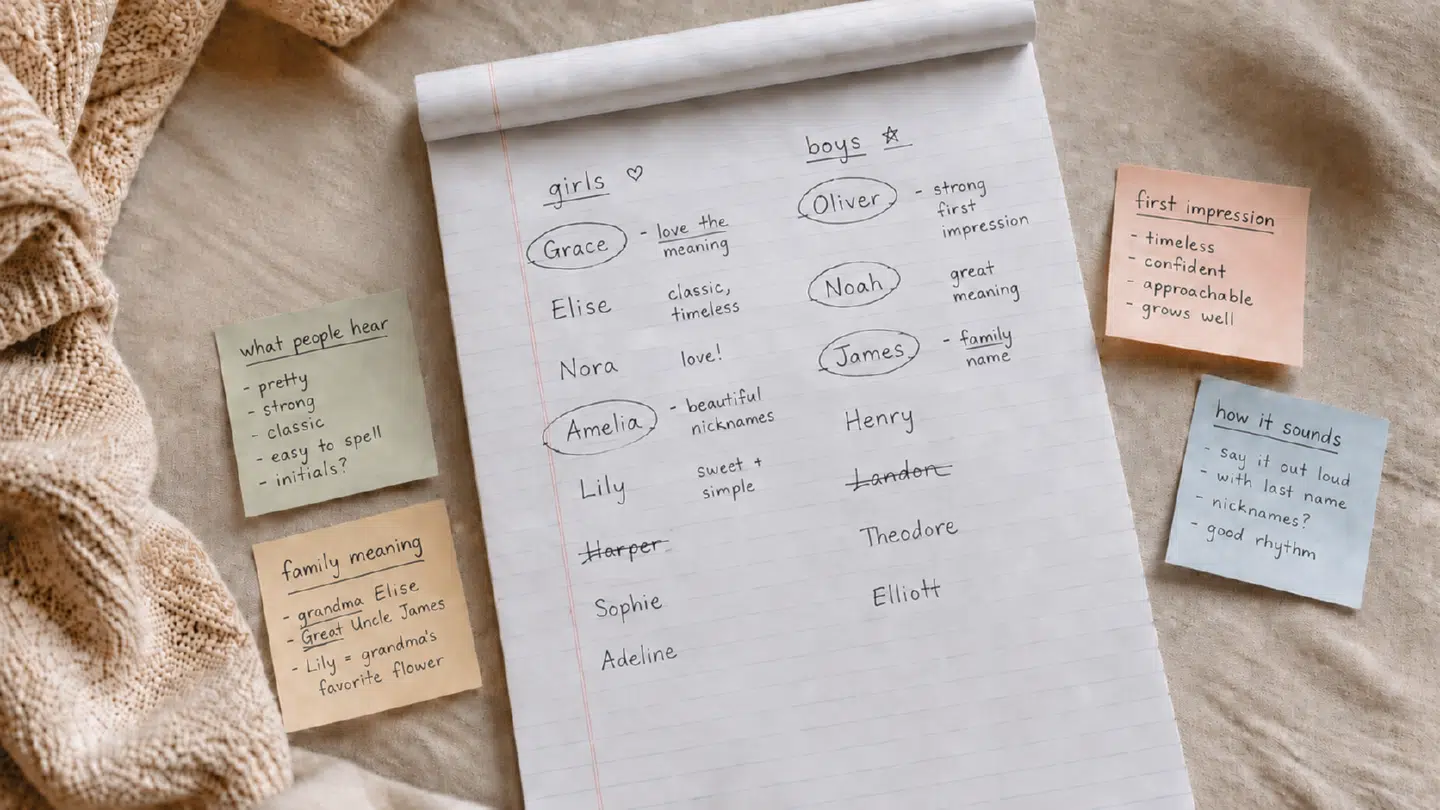
FOUR THINGS A NAME MAY ALREADY HOLD BEFORE YOU CHOOSE IT
Before choosing, she realized a name may already be carrying more than she had thought.
It May Be Shape First Impressions
A name can influence what people expect before they know the person.
The Definition Is Only The Beginning
A simple meaning rarely tells the full story of a name.
Other People May Hear More Than You Do
Names can carry emotional and cultural associations that go beyond personal taste.
Your Child Will Add the Next Chapter
The life they live will become part of the story the name continues to hold.
Once she saw the choice this way, it stopped feeling like a small detail.
It started to feel like a decision worth understanding more fully before making it final.
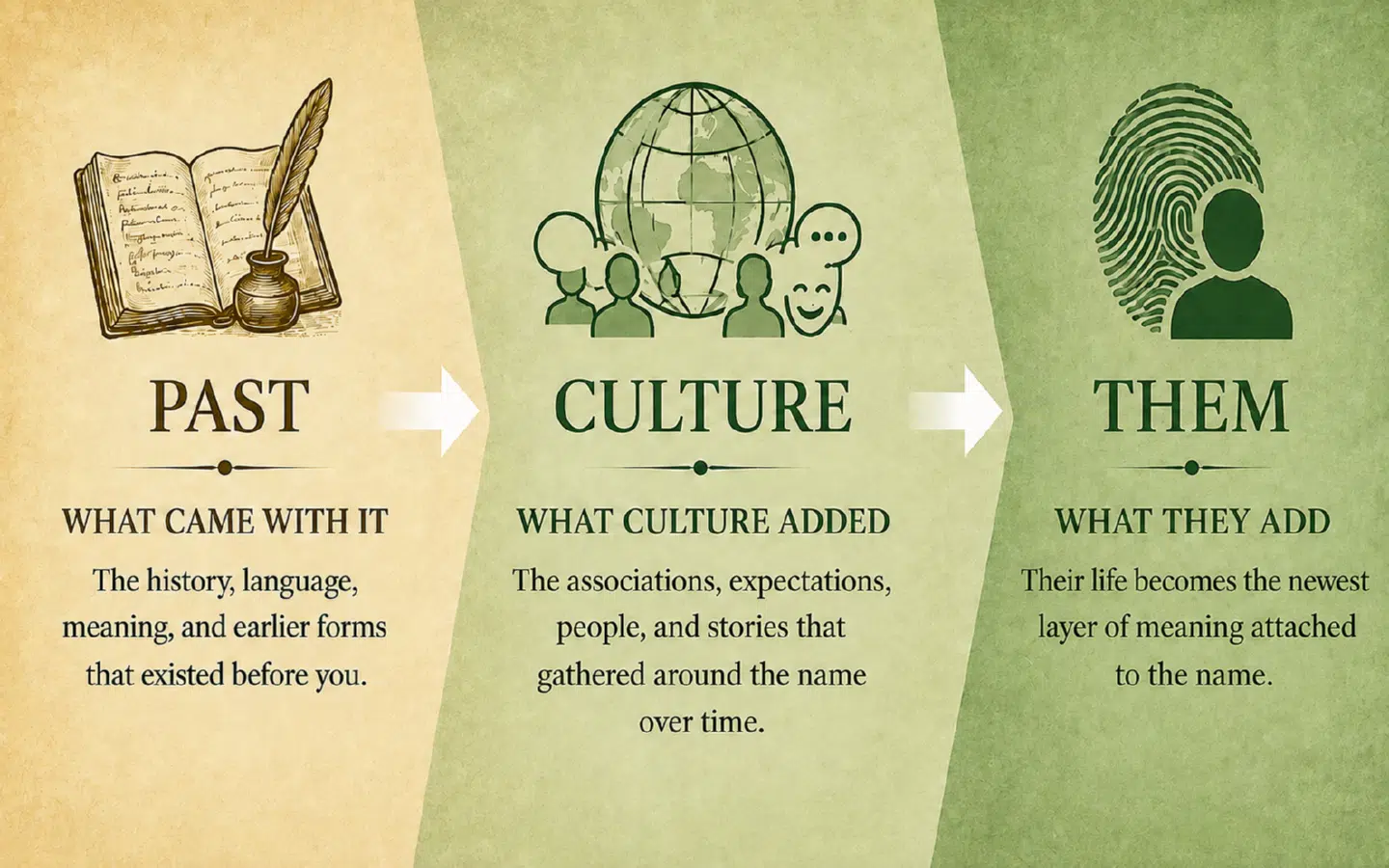
WHAT SHE FOUND WAS NOT JUST A NAME. IT WAS A STORY TAKING SHAPE.
That is what made the decision feel different.
She was not only looking at two possible names anymore. She was looking at what each one had carried through history, what people tend to associate with it, and what kind of story it might already be bringing with it.
That is what made the choice feel more personal and much more real.

Researchers Had Been Asking A Surprisingly Similar Question
As it turns out, the idea that names can shape impressions is not just intuition.
Researchers have studied whether people make assumptions based on names alone, and whether those impressions can become tied to the way a person is seen before they even speak.
In one well-known study, people were able to match certain names to faces at rates higher than chance.
The point was not that every person looks like their name.
It was that names can carry impressions strongly enough that people sometimes feel they recognize them.
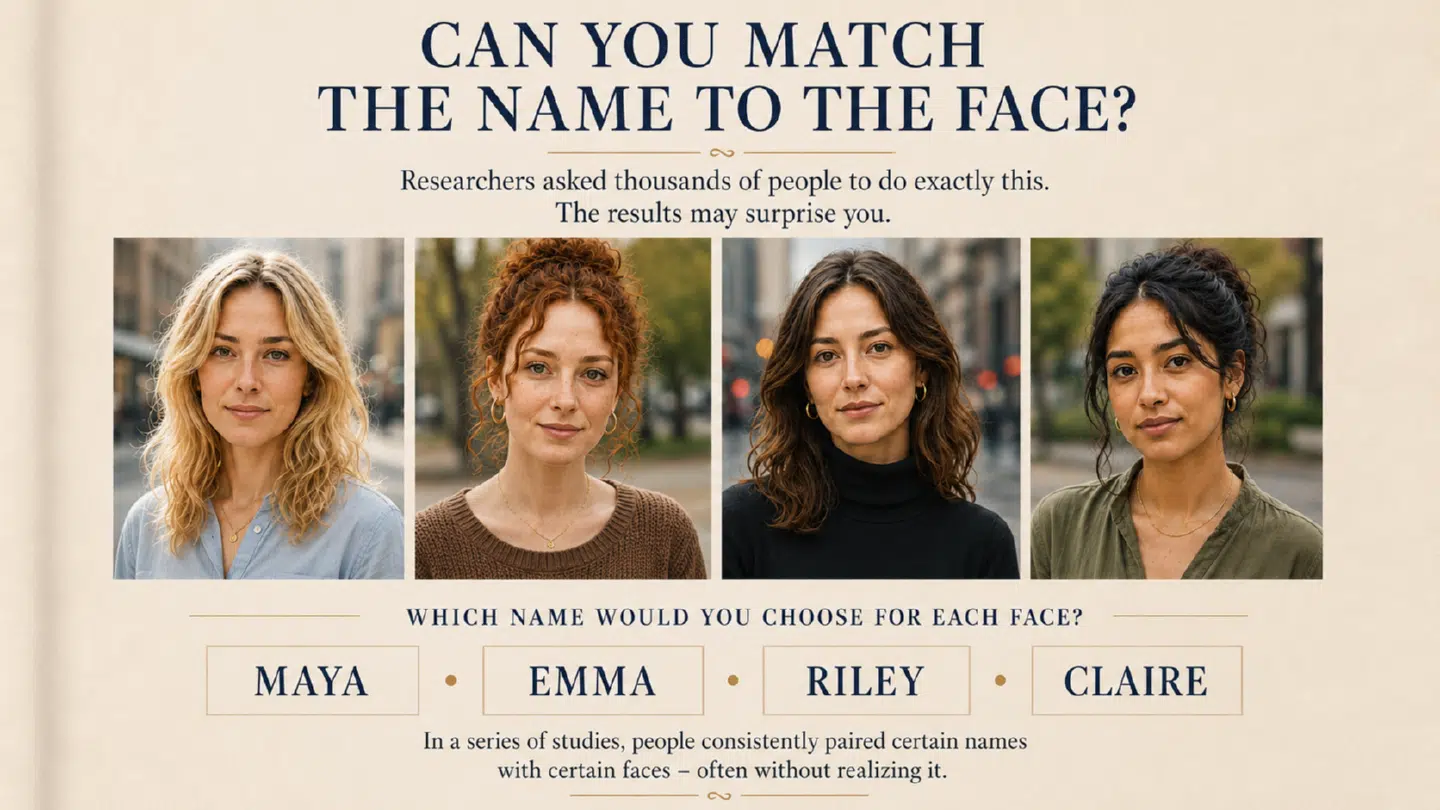
A Name Can Create An Expectation Before The Person Does
That is part of what makes a name feel so important.
Long before someone knows a child’s personality, character, or story, they may already be responding to the sound, familiarity, and associations that come with the name itself.
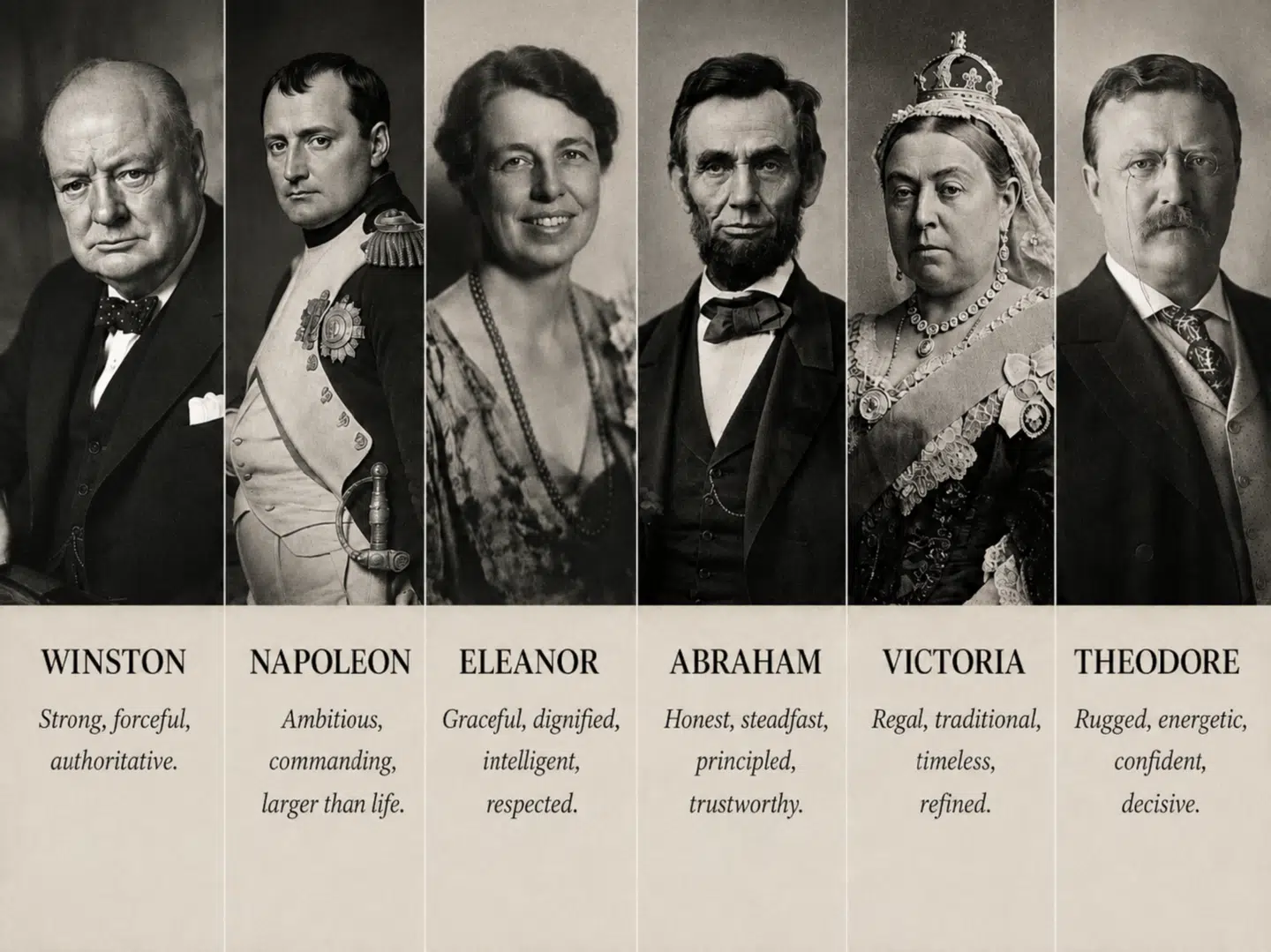
Some Names Carry a Reputation Built Over Time
Names do not move through history untouched.
Over time, they become connected to public figures, cultural moments, and repeated traits that shape how people hear them. That does not define a person, but it does help explain why some names feel different from the start.
For some people, that connection makes a name feel stronger, warmer, or more distinctive before they can even explain why.
For others, it is the first time they realize a name they love may already be carrying a deeper story than they had noticed.
That was exactly why the decision started to feel more meaningful.
She was no longer only choosing what sounded good. She was choosing what felt right after understanding more of what the name already held.
You May Be Choosing a Name You Will Hear Thousands of Times. It Is Worth Knowing the Story It Carries First.
That is where the decision became more than a favorite list.
It became a way of understanding what a name has meant, what people tend to associate with it, and why it might feel the way it does when you imagine it belonging to your child.

What You Can Discover Before You Choose
- ORIGIN where a name comes from
- HISTORY what it has carried through history
- MEANING qualities people often associate with it
- PERCEPTION a more personal way to compare a name before making it final
- LEGACY the deeper story behind why it may feel meaningful
Carol A.
July 28, 2026
“I’ve looked up my name before, so I thought I already knew what it meant. This was completely different. There were parts of the meaning I had never heard before, and I honestly keep going back and rereading it.”
Addison R.
July 30, 2026
“I wanted to get a baby shower gift that stood out more than clothes or diapers, and this was perfect. It made the name she had chosen for her baby feel even more special. My friend loved it and could barely hold back the tears.”
Nick D.
August 5, 2026
“At first I wasn’t sure how much there could really be to say about a name. I was surprised by how much history there actually was. I’d never really thought about where my name had been before it got to me.”
Their name will be part of every introduction, every signature, every birthday card and almost every important moment of their life.
Before you choose it, find out the story already waiting behind it.

Ⓒ 2026 Boundless America
ADVERTISING DISCLOSURE: This page contains promotional content. Links in this article may direct readers to affiliated companies or third-party products and services. Some names, scenarios, and images in this article are illustrative and are used to demonstrate the subject discussed.