For years, bigger often seemed better. Bigger homes, fuller closets, more furniture, more storage and more things to fill every available space. But for many people, that idea is beginning to lose some of its appeal.
Minimal living is not necessarily about owning as little as possible. It is about becoming more deliberate about what takes up space in your home, your schedule and your attention.
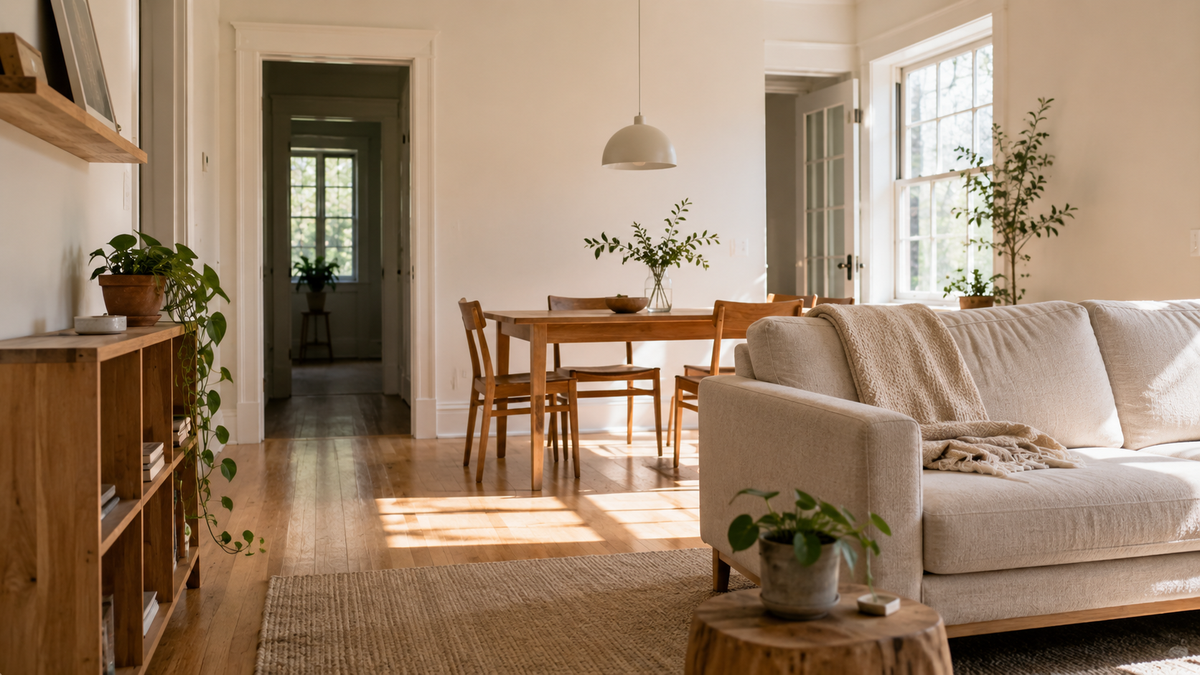
That distinction matters. A minimalist home does not have to be nearly empty, perfectly organized or designed in shades of white. In practice, minimal living can look very different from one person to another. The common idea is simply to keep what is useful, meaningful or genuinely enjoyed and become more selective about everything else.
Clutter Can Become Background Noise
Most clutter does not arrive all at once.
It accumulates slowly through purchases, gifts, paperwork, clothes that no longer fit, kitchen gadgets used once, old electronics, duplicate household items and things saved because they might someday be useful.
Eventually, people can become so accustomed to seeing those things that they barely notice them.
Yet every possession still requires something. It has to be stored, cleaned, moved, organized, repaired or eventually disposed of.
That is part of the reason clearing a crowded room can feel surprisingly satisfying. The physical space has changed, but so has the number of things competing for attention.
Minimal Living Is More About Choosing Than Removing
The easiest way to misunderstand minimalism is to treat it as a competition to see who can own the fewest things.
That misses the point.
A family with children may need considerably more possessions than someone living alone. A person who cooks every night may happily own an entire cabinet of cookware. Someone who paints, gardens, repairs cars or collects records may have rooms filled with things connected to those interests.
Minimal living does not require giving those things up.
Instead, the question becomes whether the things occupying your space are there intentionally.
A bookshelf full of books someone loves is different from a closet filled with items that have not been touched in years.
Shopping Habits Often Change Too
Once people begin paying closer attention to what they already own, they often start thinking differently about what they bring home.
A purchase no longer ends at the cash register.
Every new object also needs somewhere to go.
That simple realization can change how people shop. Instead of asking only whether something is inexpensive or appealing, they may begin asking whether they actually need it, where they will put it and whether they are likely to still want it a year from now.
For some households, that means buying fewer things but choosing them more carefully.
It can also reduce the cycle of purchasing storage bins, shelving and organizers simply to accommodate possessions that were rarely being used in the first place.
Space Has Value Even When Nothing Is In It
One of the more interesting ideas behind minimal living is that empty space does not necessarily need to be filled.
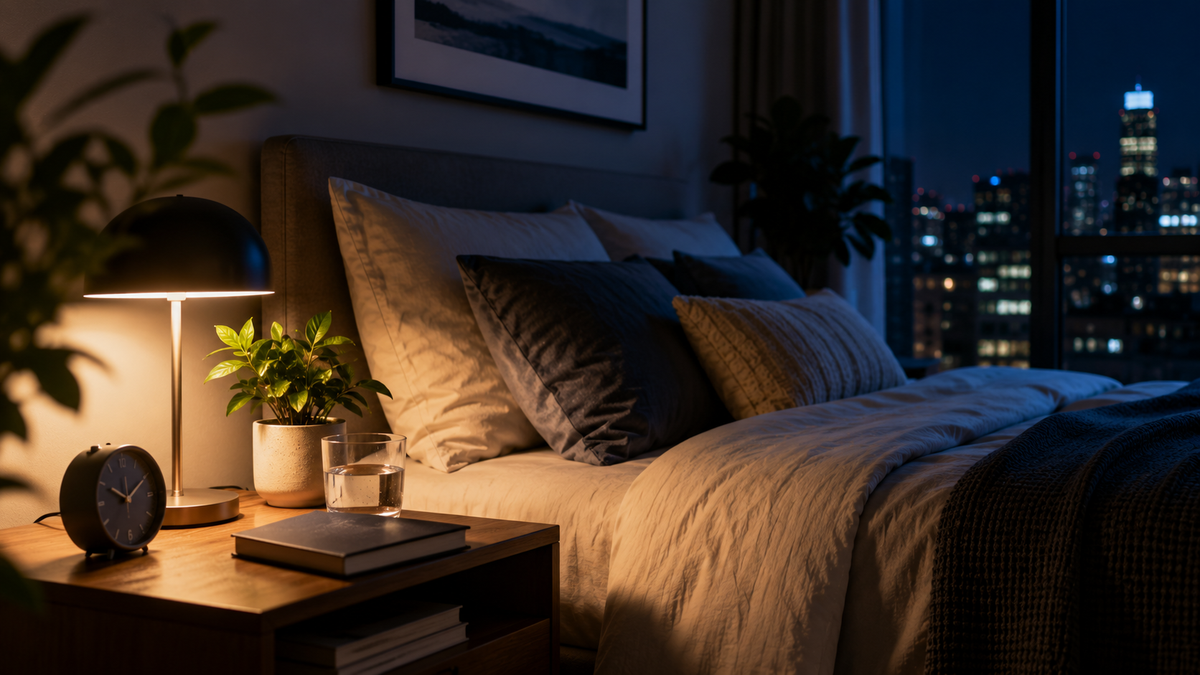
An open countertop can make a kitchen easier to use. An uncluttered bedroom may feel calmer. A closet with extra room makes it easier to see what is actually inside.
The same principle can extend beyond the home.
A calendar without every evening scheduled leaves room for spontaneity. Fewer subscriptions mean fewer recurring decisions and expenses. A phone with fewer unnecessary notifications creates fewer interruptions.
Minimalism, in that sense, becomes less about visual style and more about reducing unnecessary friction.
Sentimental Things Are Different
Not everything has to justify its existence through practical usefulness.
Photographs, letters, inherited objects and childhood keepsakes may have little functional value while carrying enormous personal meaning.
Minimal living does not require treating those possessions like ordinary clutter.
The challenge is usually deciding which objects genuinely carry memories and which have simply remained because deciding what to do with them felt difficult.
Keeping a small collection of meaningful things can sometimes make those objects more noticeable rather than allowing them to disappear among hundreds of forgotten possessions.
It Does Not Have to Happen All at Once
Large-scale decluttering projects can quickly become exhausting.
A more practical approach is often to begin with one drawer, one shelf or one category.
Expired products can be discarded. Clothes that are never worn can be donated. Duplicate kitchen tools can be reduced. Old paperwork can be sorted.
Those small decisions gradually change a space without requiring an entire weekend devoted to reorganizing a house.
They can also reveal something useful: what people actually use is often a surprisingly small portion of what they own.
The Goal Is Not an Empty Home
A comfortable home should still look like someone lives there.
There can be photographs on the walls, books on the shelves, toys on the floor and a favorite mug beside the coffee maker.
Minimal living is not about removing personality from a home. It is about making sure possessions support the life happening inside it rather than gradually overwhelming it.
For some people, that may mean owning substantially less. For others, it may simply mean becoming more selective.
Either way, the result is similar.
There is a little more room to move, a little less to manage and more space for the people, experiences and possessions that actually matter.