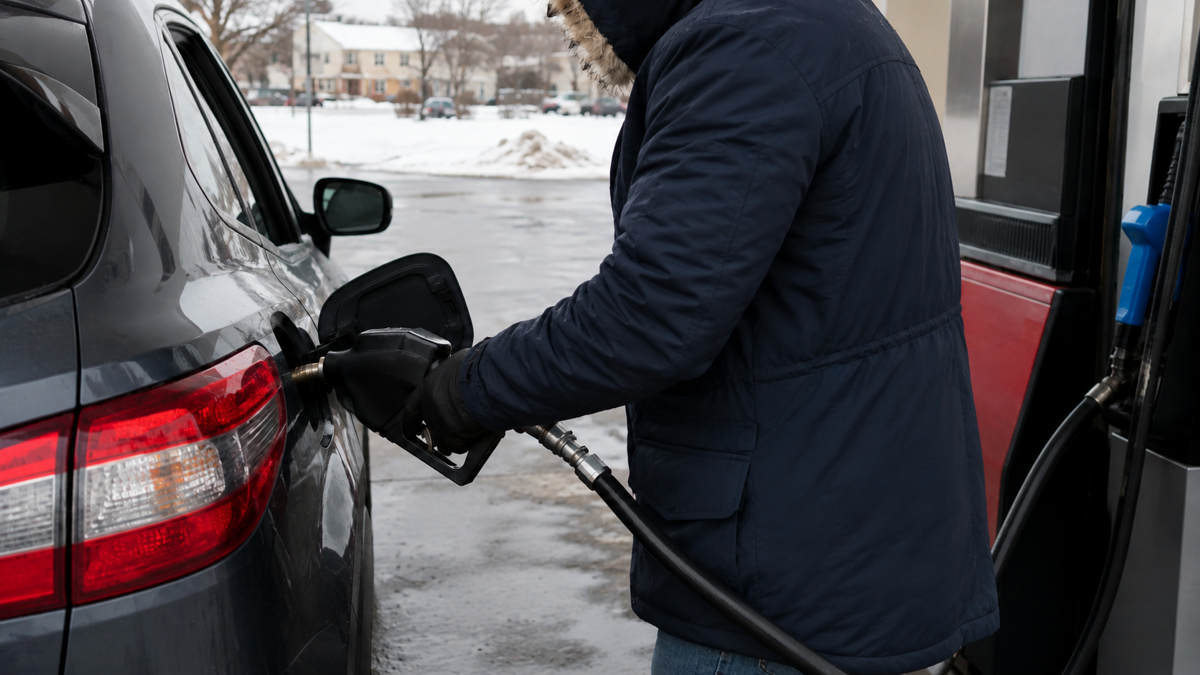
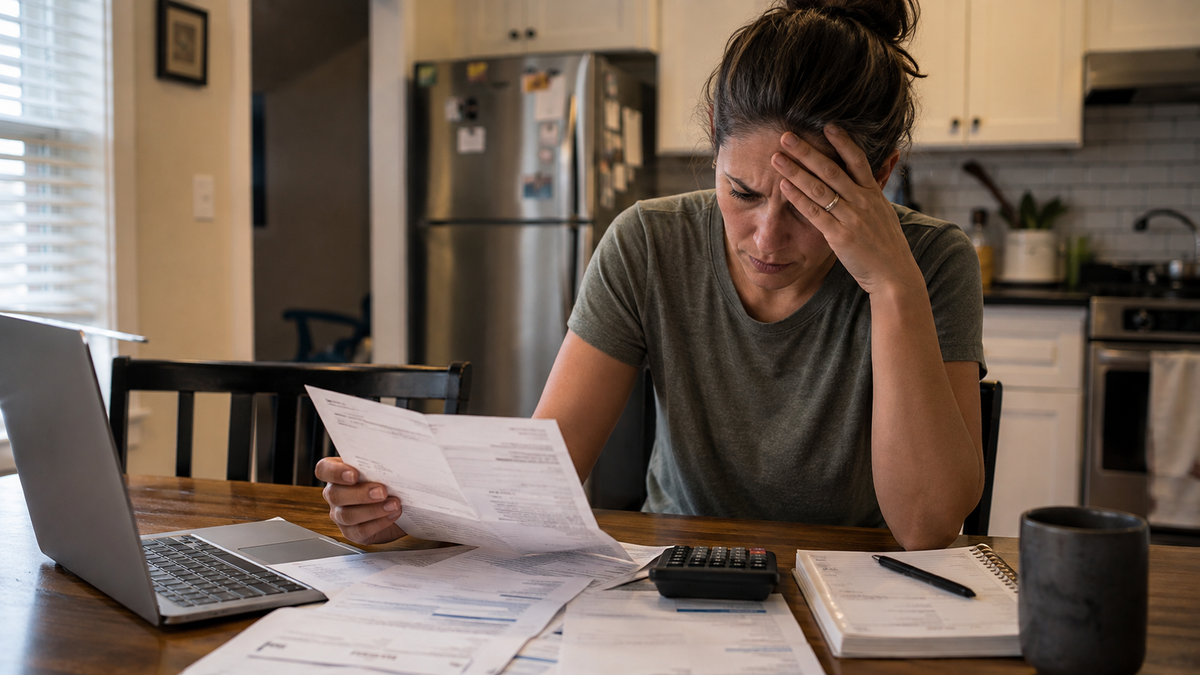
For many Americans, the problem is not necessarily that they are buying dramatically more than they used to.
It is that the ordinary things they already buy now absorb a larger share of the money coming in.
Groceries, housing, insurance, electricity, transportation, restaurant meals and routine services have all become more expensive over the past several years. Even when inflation slows, those higher prices generally remain in place.
That helps explain a feeling that has become increasingly common: a paycheck arrives, the usual bills are paid, and somehow there seems to be much less left over than expected.
Slower Inflation Does Not Mean Lower Prices
One of the biggest sources of confusion is the way inflation is discussed.
When inflation falls, it does not usually mean prices are falling.
It means prices are rising more slowly.
Consumer prices were still 3.4 percent higher in July 2026 than they were a year earlier, according to the Bureau of Labor Statistics.
That annual increase comes after several years in which households already experienced substantial price growth.
So a family may hear that inflation has improved while continuing to pay considerably more than it remembers paying for groceries, electricity, insurance or a night out.
Both things can be true at the same time.
The Problem Is Often the Total, Not One Purchase
Many price increases appear manageable when viewed individually.
A grocery item costs another dollar.
An electric bill rises by $20.
An insurance premium increases.
A restaurant meal costs a few dollars more.
A streaming service raises its monthly price.
None of those changes necessarily looks dramatic on its own.
But household budgets are built from dozens of expenses occurring at the same time.
When enough of them increase together, the total can change substantially without any single purchase standing out as the cause.
That is one reason people can feel as though money is simply disappearing.
There may be no obvious new expense to point to.
Everyday Expenses Keep Applying Pressure
Some of the categories people encounter most frequently are still becoming more expensive.
In July, shelter costs were 3.3 percent higher than a year earlier, food prices were up 3.1 percent, food away from home was up 3.6 percent, and electricity prices had risen 4.8 percent.
Those categories matter because they are difficult to avoid.
A household can postpone buying a television or new furniture.
It cannot easily stop buying food, paying for housing or using electricity.
That makes increases in necessities particularly noticeable in a monthly budget.
Housing Changes the Entire Equation
Housing is usually the largest expense in a household budget, which means even modest increases can have an outsized effect.
Federal Reserve survey data show that the median monthly mortgage payment among homeowners with mortgages rose to $1,600 in 2025, up from $1,500 the year before.
Renters have faced their own affordability pressures, particularly in markets where rents rose much faster than incomes over the past several years.
Once housing takes a larger share of income, nearly every other expense feels more expensive because there is simply less money available after the first major bill is paid.
Americans Are Saving Less of What They Earn
Another clue appears in the national savings rate.
The personal saving rate fell to 2.7 percent in June 2026, according to the Bureau of Economic Analysis.
That rate represents the portion of disposable personal income left after spending.
A lower savings rate does not tell us why every individual household is saving less, but it does show that Americans collectively have been leaving a relatively small share of disposable income unspent.
For households already feeling squeezed, that can mean less room for unexpected expenses, vacations, repairs or large purchases.
Credit Can Make Spending Feel Less Immediate
The way Americans pay for things has also changed.
Credit cards, installment plans and automatic recurring payments can separate the moment of purchase from the moment the financial impact is fully felt.
Credit card balances reached about $1.26 trillion in the second quarter of 2026, according to the Federal Reserve Bank of New York.
That does not mean rising credit balances are responsible for every household’s financial pressure.
But borrowing can make it harder to see how much current spending is competing with payments for things purchased months earlier.
Interest charges then become another expense layered onto the original purchase.
Recurring Payments Are Easy to Stop Noticing
Modern household budgets also contain more automatic payments than they once did.
Streaming services, cloud storage, software, fitness memberships, delivery programs, phone plans, security systems and other subscriptions may each appear relatively inexpensive.
Because many are charged automatically, they can fade into the background.
A $10 or $20 monthly charge may not feel significant.
Several of them together can easily become hundreds of dollars each month.
Unlike a large purchase, there is no single moment when the full amount feels visible.
It simply leaves the account over time.
People Compare Prices With the Past
There is also a psychological element to the feeling that money does not go as far.
People tend to remember familiar reference prices.
They remember what a carton of eggs cost, what they used to pay for dinner, what a hotel room once cost or what their electric bill looked like several years ago.
When those familiar numbers change significantly, the new prices continue to feel expensive even after people have been paying them for some time.
That reaction is understandable because incomes and prices do not necessarily change at the same pace for every household.
A raise can also feel less meaningful if several major expenses increase around the same time.
Financial Concern Remains Widespread
The Federal Reserve’s most recent household survey found that price increases remained the most commonly reported financial concern among U.S. adults.
That helps explain why the public discussion about the economy can sometimes seem disconnected from everyday experience.
Measures such as economic growth, employment or falling inflation can improve while households still feel financially constrained.
People experience the economy through their own bills.
If groceries, housing, insurance and utilities continue consuming a large share of income, broader improvements may take time to become noticeable at the kitchen table.
The Paycheck Did Not Necessarily Shrink
For many households, the strange part is that the number on the paycheck may actually be higher than it was several years ago.
The problem is what happens after it arrives.
A larger portion may now be committed before there is any decision about discretionary spending.
Housing gets paid.
Utilities are deducted.
Insurance comes out.
Groceries are purchased.
Transportation costs arrive.
Subscriptions renew.
Debt payments are due.
By the time those ordinary expenses are covered, what remains can feel surprisingly small.
That is why so many Americans describe their money as disappearing faster.
In many cases, it is not disappearing at all.
More of it simply has somewhere to go before the month has really begun.