Hiking, camping, fishing, walking and other outdoor activities continue to attract millions of Americans, while parks, trails and even neighborhood green spaces are becoming a bigger part of how people spend their free time.
For many Americans, spending time outside no longer means planning a major vacation or driving hours to a national park.
It can be a walk after dinner.
A Saturday on a local trail.
An afternoon fishing.
A bike ride through town.
A weekend at a campground.
Or simply spending more time in a backyard, park or outdoor public space.
The broader pattern is clear: outdoor recreation remains a major part of American life, and participation continues to reach more people across different ages and backgrounds.
Outdoor Recreation Has Become More Mainstream
Recent participation data show that nearly six in ten Americans age six and older took part in some form of outdoor recreation in 2025.
That represents more than 183 million people.
Hiking, camping and fishing were among the activities that continued adding participants, while outdoor recreation also grew among older adults and younger generations.
The most important part of that trend may be how ordinary many of these activities have become.
You do not need specialized equipment to go for a walk.
You do not need to travel across the country to use a trail.
And you do not need to consider yourself an “outdoors person” to spend more time outside.
That accessibility has helped outdoor activity move beyond traditional categories like backpacking, hunting or serious adventure sports.
Walking May Be the Simplest Example
Walking is one of the easiest ways to understand the shift.
It requires almost no equipment, can happen close to home and fits into routines that are already busy.
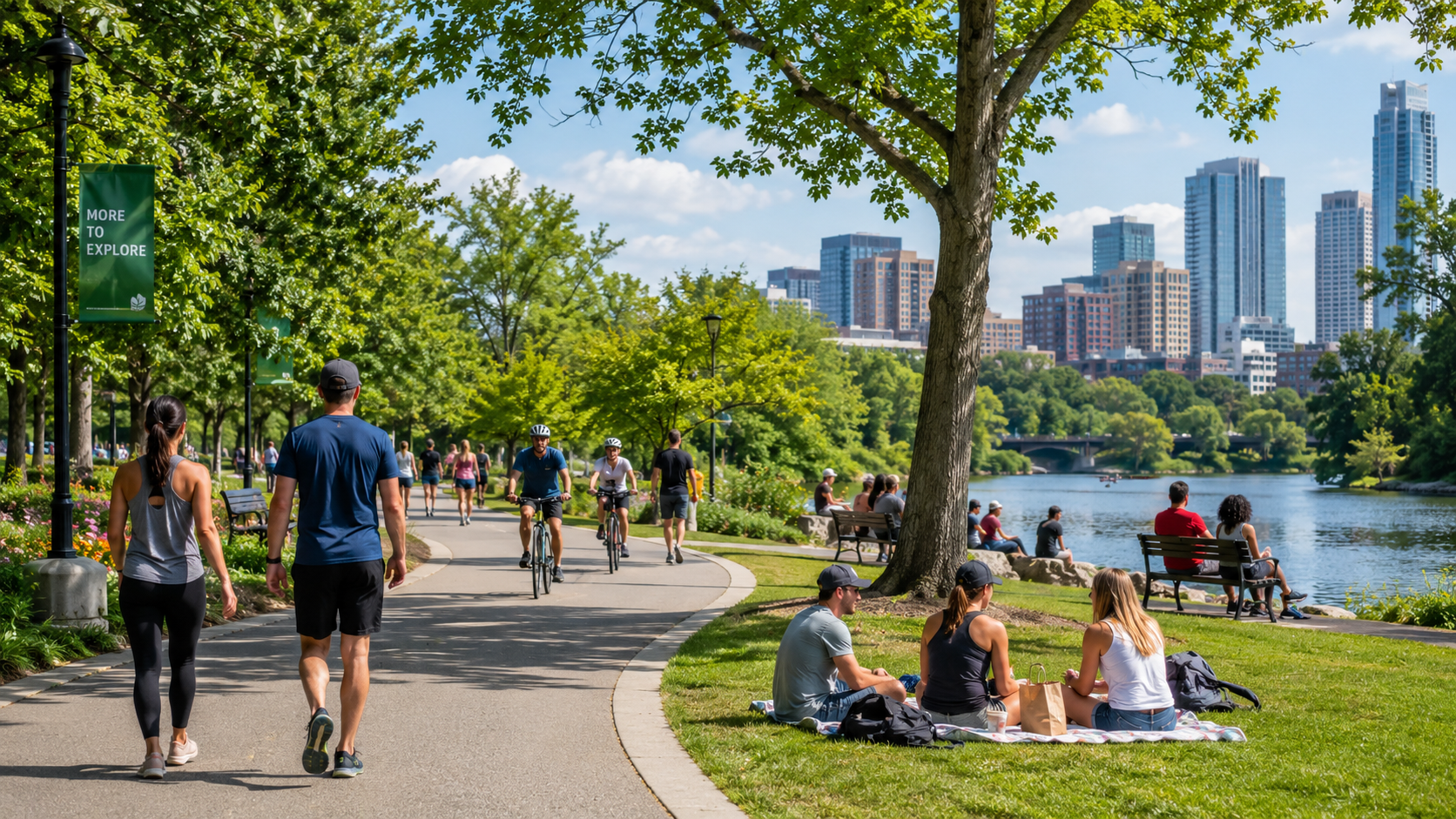
Urban greenways, neighborhood trails, waterfront paths and large public parks have made outdoor recreation available to people who may never set foot on a remote hiking trail.
For some, the goal is exercise.
For others, it is time away from screens, a chance to talk with someone, or simply a reason to leave the house.
The activity itself may be simple, but the reasons people choose it are increasingly varied.
Parks Are Becoming Everyday Spaces
Public parks are also serving a broader role.
They are places to exercise, eat, read, meet friends, take children, walk dogs, attend events or simply sit somewhere that is not indoors.
That matters because access to outdoor space no longer depends entirely on wilderness.
A well-designed city park can become part of someone’s daily life in a way that a distant natural destination cannot.
Many communities have also invested in trails, greenways and restored public spaces that make it easier to spend time outside without turning it into a special occasion.
The result is that outdoor recreation can feel less like a hobby and more like part of ordinary life.
Camping and Fishing Continue to Attract New People
More traditional outdoor activities are growing too.
Camping and fishing have both continued to bring in millions of participants.
Part of the appeal is flexibility.
Camping can mean anything from a primitive tent site to a cabin with electricity.
Fishing can happen from a boat, a pier, a shoreline or a neighborhood pond.
That range gives people different ways to participate without having to commit to the most demanding version of the activity.
It also makes outdoor recreation easier to fit around families, budgets and different comfort levels.
People Are Using the Outdoors Differently
Another change is that outdoor spaces are being used for more than recreation.
People work from patios.
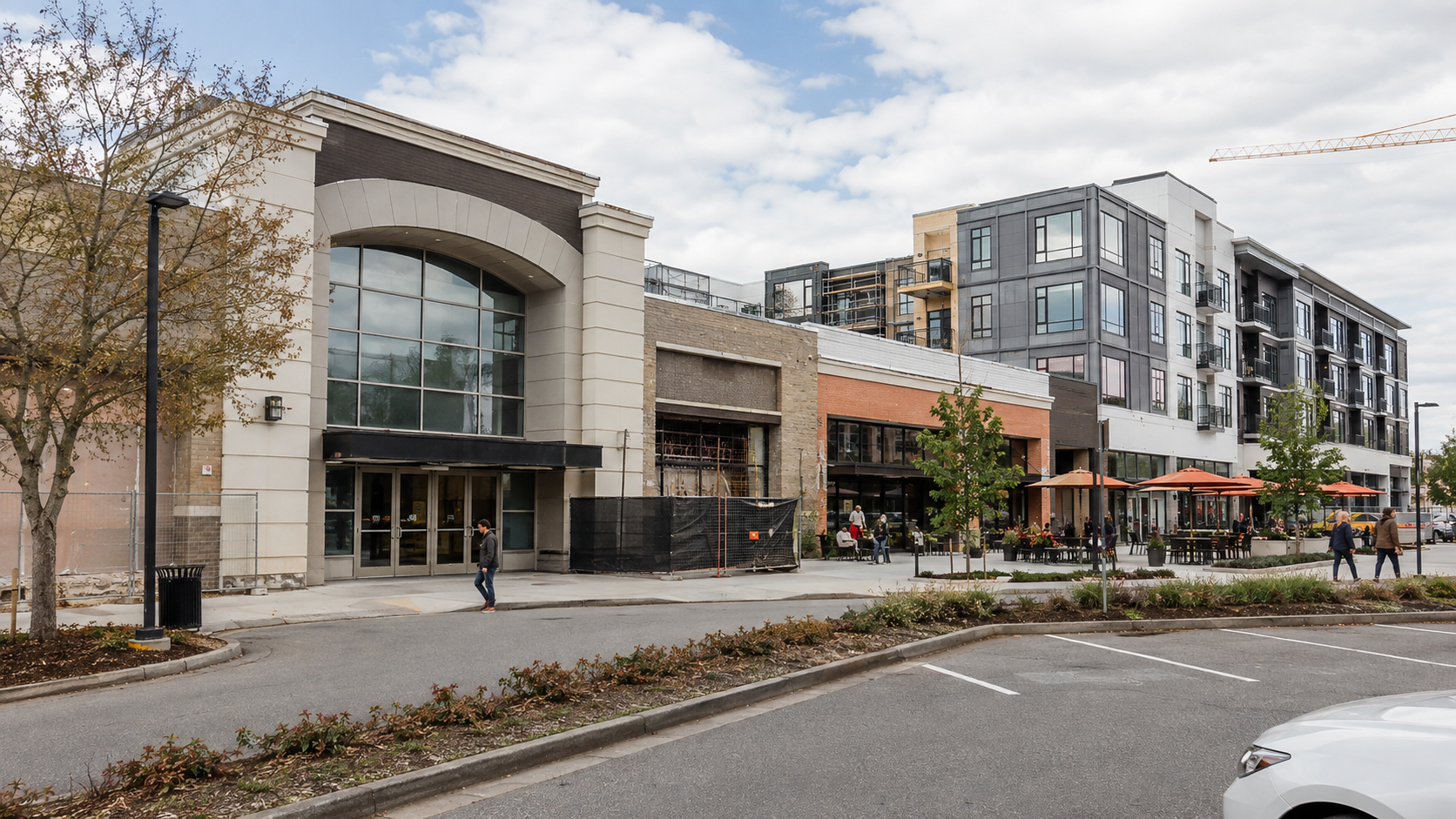
Restaurants expand outdoor seating.
Friends meet in parks.
Families spend more time in yards and shared outdoor spaces.
Fitness groups meet outside.
Community events increasingly use streets, plazas and green spaces as gathering places.
The outdoors has become part of how people socialize and structure daily life, not simply where they go to hike or camp.
That is a broader cultural change.
The Appeal Crosses Generations
Outdoor participation is not limited to one age group.
Younger adults may be drawn to hiking, running clubs and social outdoor activities.
Families may use parks and campgrounds as affordable ways to spend time together.
Older adults increasingly participate in walking, birding, fishing and other lower-impact activities.
That variety helps explain why outdoor recreation remains resilient.
There is no single version of it.
For one person, spending time outside means climbing a mountain.
For another, it means walking two miles through a neighborhood park.
Both count.
Americans Still Want Big Outdoor Experiences Too
National parks remain one of the clearest examples of the country’s appetite for outdoor experiences.
Even after record-setting visitation in previous years, the National Park System continued drawing hundreds of millions of recreation visits.
Those numbers show that major outdoor destinations still matter.
But the larger trend extends far beyond national parks.
State parks, county trails, city greenways, lakes, campgrounds and neighborhood parks are often where people spend the most regular time outside.
The dramatic destinations may get the photographs.
The local places often get the repeat visits.
Outside Is Becoming Part of Everyday Life Again
The most interesting part of the trend may be how little ceremony it requires.
People do not always need a major plan.
Sometimes spending more time outside simply means choosing a walk instead of another hour indoors, eating on the patio, taking a weekend hike or finding a nearby trail that had always been there.
Outdoor recreation is becoming broader, more accessible and more integrated into ordinary routines.
That may be why participation continues to grow.
For millions of Americans, being outside is no longer something reserved for vacations or special weekends.
It is becoming part of the week itself.