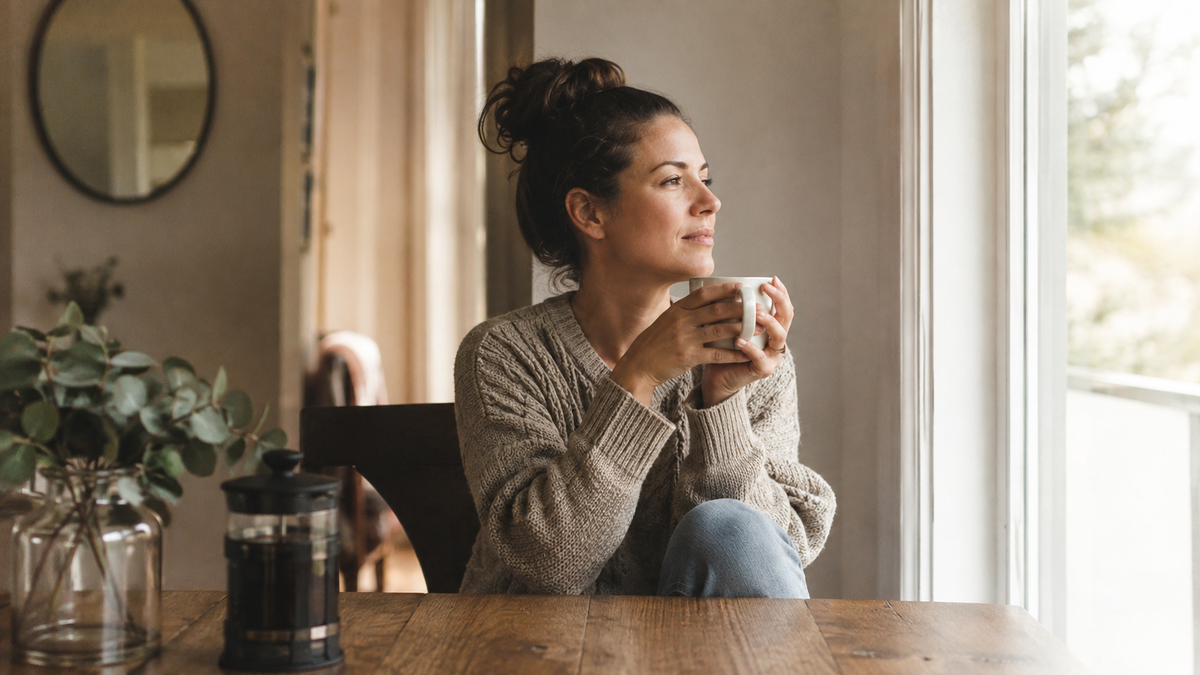
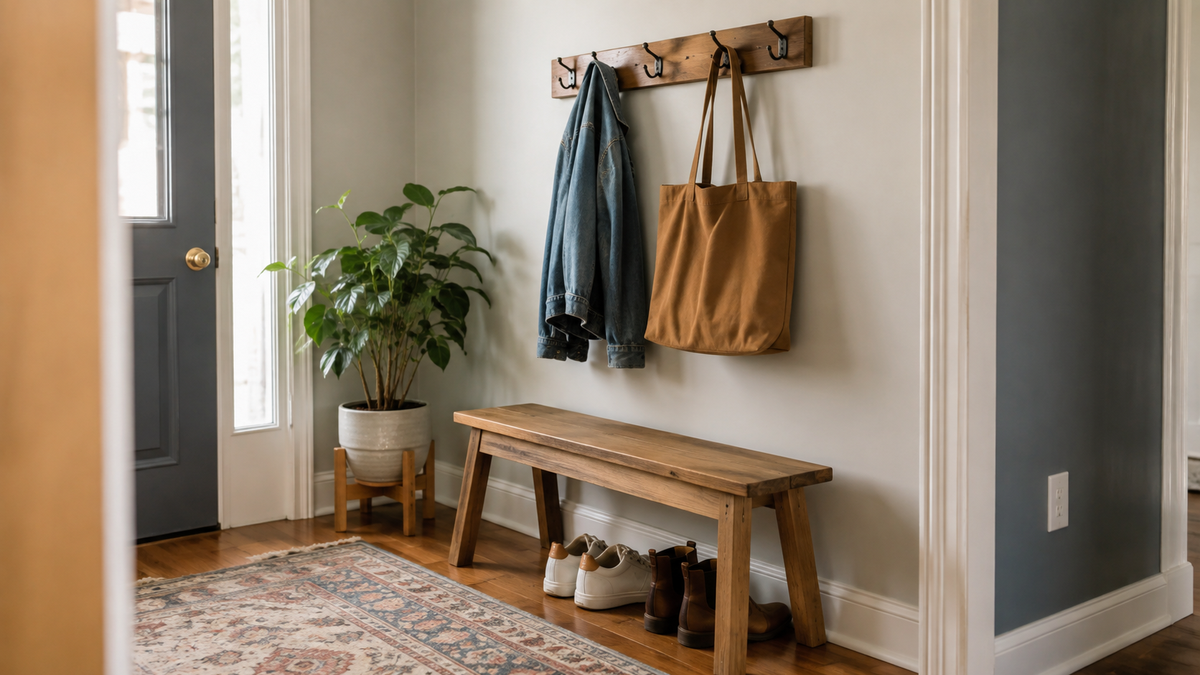
Small changes in lighting, scale, spacing and texture can completely change how a room feels without requiring a renovation or a large budget.
A home does not always need new flooring, new furniture or a major remodel to feel noticeably better.
Often, the biggest visual improvement comes from adjusting things that are already there.
A lamp moved to a better spot.
Curtains hung higher.
A rug that actually fits the room.
A coffee table cleared of half its clutter.
A piece of furniture shifted a few feet.
These are small changes, but they can affect how balanced, comfortable and intentional a room feels.
Start With the Lighting
Lighting is one of the fastest ways to change the atmosphere of a room.
A single overhead light can make even a well-decorated space feel flat.
Adding smaller sources of light creates depth.
That might mean:
- a floor lamp near a chair
- a table lamp on a console
- warm bulbs instead of harsh white ones
- dimmers where possible
- lighting placed at different heights
The goal is not necessarily to make the room brighter.
It is to make the light feel more layered.
Hang Curtains Higher
Curtains can change how tall and finished a room feels.
When the curtain rod is mounted just above the window frame, the eye tends to focus on the size of the window itself.
Hanging the rod higher, closer to the ceiling, can visually extend the wall.
Allowing the curtains to reach the floor also creates a more complete look.
This is one of those changes that often makes a room feel more polished without adding anything dramatic.
Use a Rug That Is Large Enough
A rug that is too small can make furniture look disconnected.
In a living room, a larger rug usually works better when at least the front legs of the major seating pieces sit on it.
In a dining room, the rug should generally extend far enough beyond the table that chairs remain on it when pulled out.
The rug does more than add color or texture.
It visually defines the area and helps the furniture feel like one arrangement instead of several separate objects.
Give Furniture More Breathing Room
Pushing every piece of furniture against a wall can make a room feel more rigid.
Sometimes moving a sofa or chair slightly inward creates a more natural conversation area.
Leaving a little space between furniture and the walls can also make the room feel less crowded.
The best layout is not always the one that creates the most empty floor space.
It is the one that makes movement and conversation feel natural.
Clear One or Two Surfaces
Decluttering does not have to mean making a room empty.
It can simply mean choosing a few surfaces to simplify.
A crowded kitchen counter can make the entire kitchen feel busier.
A coffee table covered in objects can make the living room feel smaller.
Clearing even one or two of those areas can change the overall impression of the room.
The key is not removing everything.
It is allowing some visual space around the things that remain.
Replace Small Hardware
Cabinet knobs, drawer pulls and door hardware are easy to overlook because they are small.
But there may be dozens of them in a room.
Changing outdated or mismatched hardware can make kitchens, bathrooms and furniture feel noticeably fresher.
It is especially effective because the change repeats throughout the space.
One new handle may not matter much.
Twenty of them can.
Add Texture Before Adding More Color
When a room feels unfinished, the instinct is often to add more color.
Sometimes what it actually needs is more texture.
Wood.
Linen.
Wool.
Woven baskets.
Stone.
Ceramic.
A textured throw.
These materials create contrast without making the room visually louder.
A mostly neutral room can still feel rich if the surfaces are varied.
Move Art to the Right Height
Artwork is often hung too high.
In many rooms, art looks better when its center is closer to eye level rather than floating near the ceiling.
When artwork is placed above furniture, it should usually feel connected to that furniture rather than separated from it by a large blank wall.
Lowering a piece even a few inches can make the entire arrangement feel more intentional.
Add Something Living
Plants are one of the simplest ways to soften a room.
They add color, shape and irregularity in a way manufactured objects do not.
A large floor plant can fill an awkward corner.
A smaller plant can make a shelf or side table feel less rigid.
Even a simple branch in a vase can introduce movement.
The effect is subtle, but it often makes a room feel more lived in.
Change the Layout Before Buying Anything
Before buying a new sofa, table or chair, it is often worth rearranging what is already there.
Rooms become familiar quickly.
Furniture may stay in the same position for years simply because that is where it was first placed.
Moving a chair to another corner, rotating a dining table or swapping two lamps can reveal a better layout without spending anything.
Sometimes the room does not need more.
It needs a different arrangement.
Small Changes Can Reset the Entire Room
The most effective home updates are often not the most expensive ones.
They are the changes that improve proportion, lighting, spacing and visual balance.
A room can feel calmer because one surface is less cluttered.
Taller because the curtains were raised.
Larger because the furniture was repositioned.
Warmer because the lighting changed.
More finished because the artwork finally sits at the right height.
None of those changes qualifies as a renovation.
But together, they can make a home feel surprisingly different.